

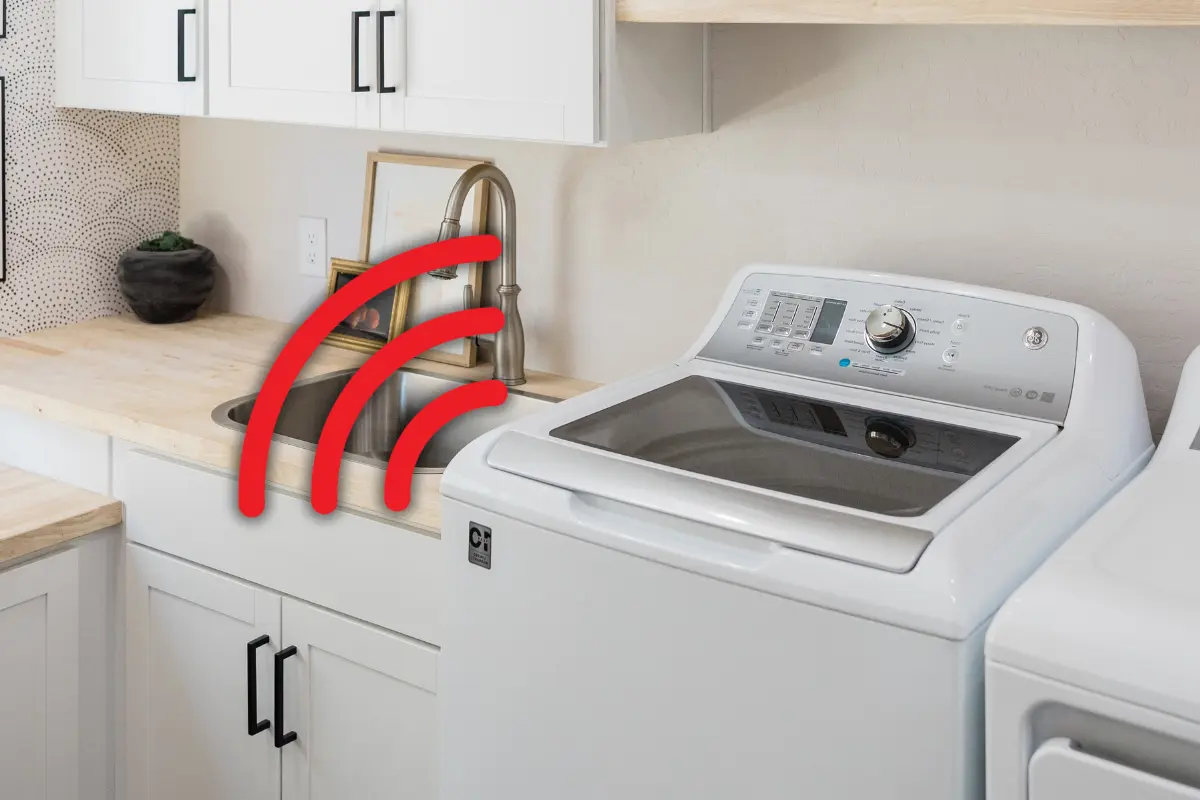
Top Load Washer Banging During Spin Cycle? Bad Tub Supports Could Be the Cause
If your top load washer is banging during the spin cycle, that noise is a warning sign worth taking seriously. Excessive banging or a washer shaking violently during spin is not normal — it typically means the suspension system is no longer controlling the wash basket properly. Left unaddressed, the problem can escalate into damage affecting the basket support assembly, bearing assemblies, tub seals, and other internal components, turning a straightforward repair into something far more expensive.
One of the biggest contributors is repeatedly washing heavy, water-absorbing items like towels, comforters, and bath rugs. Understanding what is happening inside the cabinet is the first step toward stopping it.
Why Top Load Washers Bang During Spin
Several issues can cause a top load washer to bang or shake during the spin cycle. Here are the most common causes and what each one can tell you about the condition of your washer.
Worn Suspension Rods
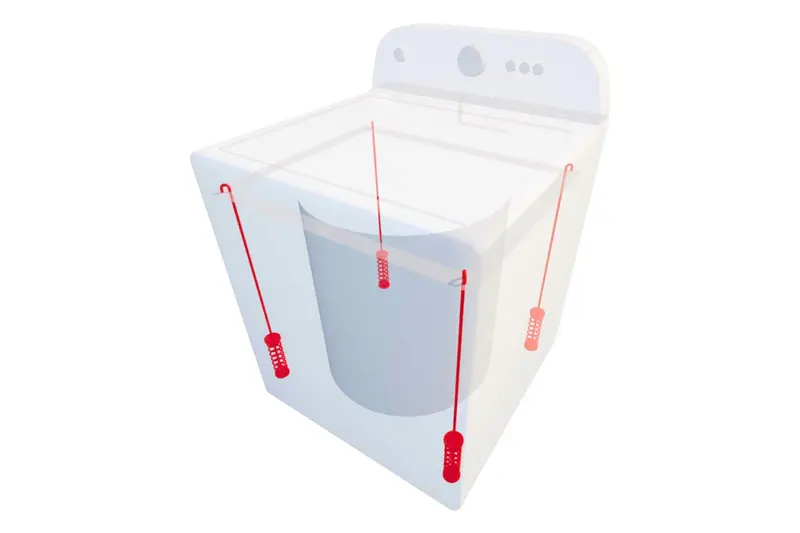
The suspension system — commonly made up of suspension rods (sometimes referred to as tub supports on certain models) — keeps the wash basket centered during agitation and high-speed spinning. When these rods are in good condition, the basket stays controlled and the machine runs quietly. When they wear out or break, the basket moves freely inside the cabinet and strikes the surrounding structure with each revolution, producing the banging and violent shaking many owners experience during spin.
Common symptoms of worn washer suspension rods include:
- Loud banging or thumping during the spin cycle
- The washer shaking violently or rocking side to side
- Excessive tub movement visible when you look inside
- The washer walking across the floor during operation
A simple test can indicate whether the suspension is failing: with the washer empty, press down firmly on one side of the wash basket and release it. If the basket bounces excessively or feels very loose, the suspension rods may already be worn. This test suggests a problem but does not confirm which component has failed — professional diagnosis is needed before additional components become damaged.
Frequent Off-Balance Loads May Signal a Bigger Problem
Occasional unbalanced loads are a normal part of owning a top load washer. A single bulky item or unevenly distributed laundry will sometimes trigger the machine's balance detection, extending the cycle or stopping it mid-spin. That is the machine working as designed.
What is not normal is when nearly every load — including small, evenly distributed ones — becomes unbalanced. When the suspension system can no longer keep the basket centered during spin, ordinary loads start behaving like problem loads. If you are noticing more frequent off-balance interruptions than you used to, washer suspension failure is likely developing. Having the washer inspected before more extensive damage occurs is the right move at this stage.
Repeated Overloading Accelerates Suspension Wear
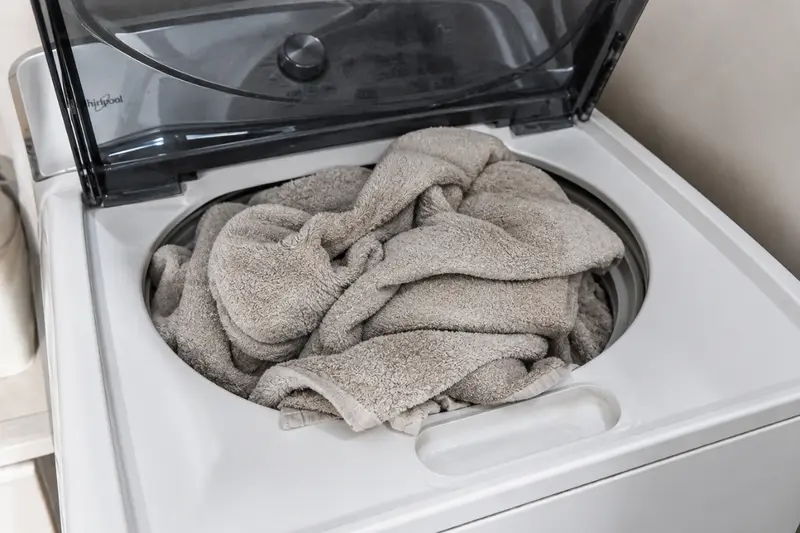
Heavy fabrics absorb a significant amount of water during the wash cycle, becoming substantially heavier than they were dry. A load of bath towels or a single large comforter can easily double in weight once saturated, creating an uneven, high-force load during spin that places far more stress on the suspension system than the machine was designed to handle regularly.
Items most likely to cause this problem include:
- Bath towels and beach towels
- Comforters and duvets
- Bath rugs and floor mats
- Blankets and heavy throws
Repeated overloading accelerates wear on suspension rods and the basket support assembly over time. Keeping loads within the manufacturer's recommended capacity is one of the simplest ways to extend suspension life. Good washer maintenance habits help extend the life of your machine overall, though it is worth noting that regular cleaning addresses buildup and odor — it cannot repair mechanical wear that has already occurred.
Ignoring Excessive Banging Can Lead to More Expensive Repairs
A washer with worn suspension rods that continues running does not just keep making noise — it actively damages other components with each load. The parts most at risk from prolonged washer suspension failure include:
- The wash basket and basket support assembly
- Bearing assemblies and components supporting the spin shaft
- The remaining suspension rods
- The outer cabinet
- Tub seals and internal gaskets
A single worn suspension rod can quickly lead to accelerated wear on the remaining rods and related components. Severe or prolonged vibration places extra stress on tub seals and can eventually cause your washer to start leaking. The repair cost for a bearing assembly or basket support failure is considerably higher than replacing worn suspension rods early.
Schedule Service Before It Gets Worse
Persistent banging during the spin cycle is a warning sign that the suspension system is no longer controlling the wash basket properly. Identifying worn suspension rods early can prevent damage to the basket support assembly, bearing assemblies, and other internal components. If your washer continues to shake or bang after rebalancing the load, the next step is a professional inspection — not another cycle.
Top Load Washer Still Banging After Rebalancing the Load?
AG Appliance Service diagnoses and repairs top load washer suspension issues throughout Miami and Miami-Dade County.
Schedule Washer RepairThese related posts may also be helpful: