

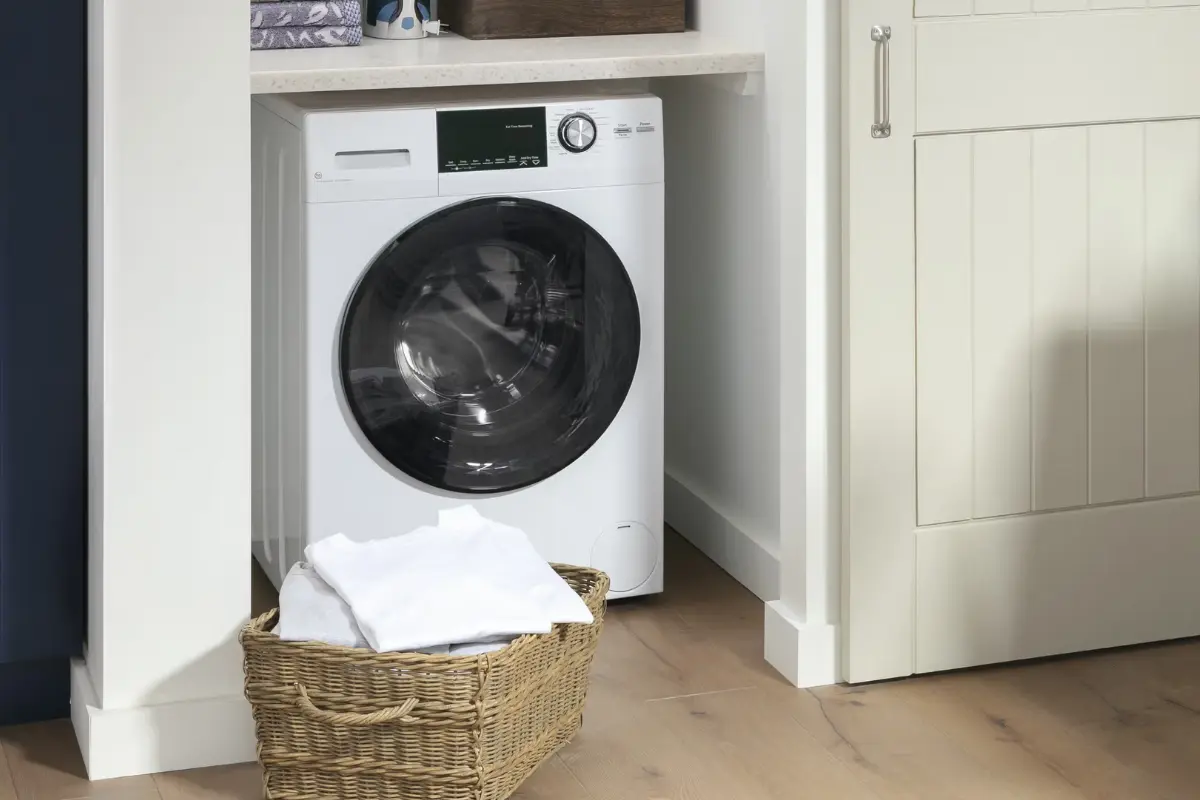
GE Washer Leaking? Common Causes and What to Do
If your GE washer is leaking, don't panic. The cause could be something as simple as a dirty door seal or as serious as a failed drain pump. The good news is that where the water appears and when it leaks during the cycle often points toward the source.
This guide covers the most common reasons a washing machine leaks, what each cause looks like, and why addressing the problem early prevents a manageable repair from turning into a water damage situation.
Why Is Your GE Washer Leaking?
Several different components can allow water to escape, ranging from external hose connections to internal parts deep inside the machine. The causes below are ordered from easiest to identify and fix to most involved, starting with things outside or at the surface of the washer, moving through user-related causes, and ending with internal component failures.
Damaged or Worn Door Boot Seal (Front Load Washers)
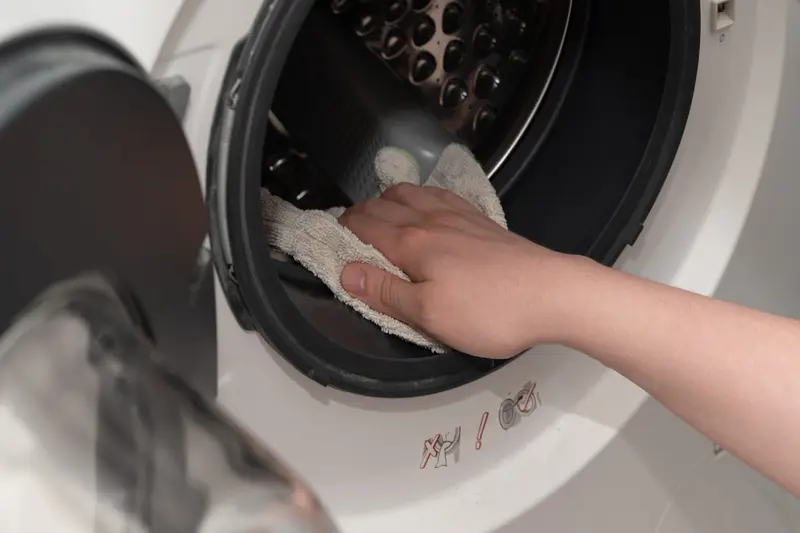
The door boot is the rubber gasket that lines the opening of a front load washer and creates a watertight seal during the wash cycle. Over time, the rubber can develop small tears, harden, or collect debris in its folds that prevents it from seating properly against the door glass.
Inspect the gasket by pulling back the folds and looking for visible tears, holes, or lodged objects like coins or debris. Keeping the seal clean is an important part of front load washer maintenance, and our guide on how to deep clean a front load washer walks through the full process. If the seal is torn rather than just dirty, professional replacement is the right call.
Loose or Worn Water Supply Hoses
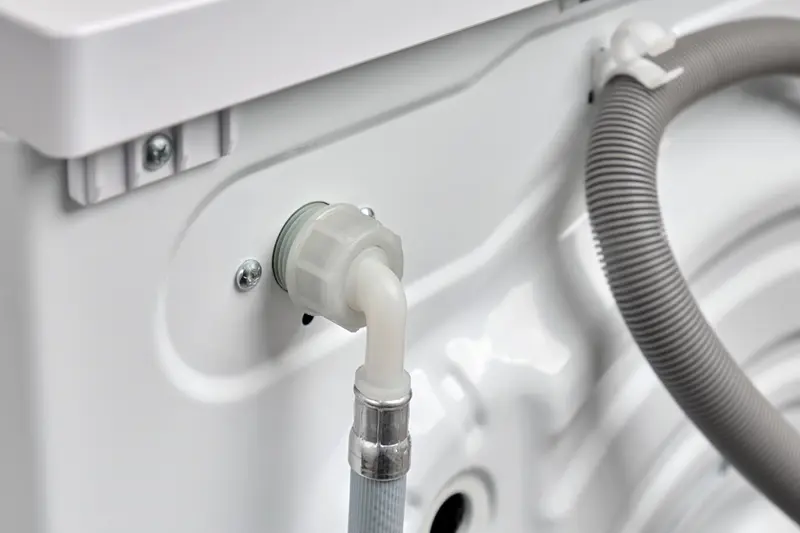
The hot and cold water supply hoses connect the wall valves to the back of the washer. Water supply hoses remain under pressure whenever the water valves are on, so they naturally wear over time, developing small cracks or loosening at the threaded fittings. A slow drip from a supply hose can go unnoticed until it causes floor or wall damage.
Check for visible moisture around accessible connections at the back of the machine. If tightening an accessible connection doesn't stop the leak, or if the hose shows cracking, bulging, or corrosion, it should be replaced. Supply hoses are typically recommended for replacement every five years as a preventive measure.
Clogged or Damaged Drain Hose
The drain hose carries wastewater out of the washer and into the standpipe or utility sink. A cracked hose, loose connection, or blockage can all cause leaks. Water may pool beneath the machine or drip from the rear of the washer.
Inspect any accessible portion of the drain hose for obvious kinks, cracks, or moisture around the connection points. If you suspect damage further along the line or at a connection you can't easily see, professional service is the safer route.
Excessive Detergent or Wrong Detergent Type
High-efficiency washers use much less water than traditional models, so too much detergent creates excess suds that have nowhere to go. Using a non-HE formula or too large a dose in a high-efficiency GE washer generates foam that can overflow the tub or push past the door seal.
If you notice suds appearing where they shouldn't, or the machine runs unusually long rinse cycles, reduce detergent and switch to an HE-rated formula. Our front load washer cleaning guide includes a suds test that helps identify buildup from chronic overdosing.
Overloaded Washer
Consistently overloading the drum places extra stress on door seals, suspension components, and the tub itself. In front load washers, an oversized load can cause water to press against the door seal with enough force to escape. During high-speed spin cycles, the extra weight can force water against the door seal or cause excessive movement inside the washer that accelerates wear on the gasket and bearings.
Following GE's load capacity recommendations for your specific model reduces unnecessary strain on the machine and extends the life of its components.
Faulty Water Inlet Valve
The water inlet valve sits inside the machine and controls the flow of water into the drum at the start of each fill cycle. Internal wear or mineral buildup from hard water can cause the valve to fail to close completely.
A faulty inlet valve often allows water to slowly seep into the drum even when the washer isn't running. Less commonly, the valve housing itself can crack and leak inside the cabinet. Either way, diagnosing and replacing this component requires opening the machine and should be handled by a professional.
Cracked or Damaged Drain Pump
The drain pump removes water from the drum at the end of the wash and rinse cycles. A crack in the pump housing or worn internal seals can allow water to escape, typically producing leaking that appears during or just after the drain cycle.
This type of leak is often visible beneath the machine and can worsen quickly once the pump housing is compromised. Professional diagnosis and replacement are needed, as accessing the pump requires partial disassembly of the cabinet.
Cracked Outer Tub
Less common but more serious, a crack in the outer tub produces leaking whenever the tub is holding water. Because the outer tub holds all the water during washing, even a small crack can produce a significant and persistent drip beneath the machine.
A cracked outer tub typically signals an older machine or one that has experienced a significant impact. This repair is extensive and requires professional diagnosis to confirm the source before any work is done.
- Around the door — Door boot seal
- Behind the washer — Supply or drain hose
- Underneath — Drain pump or outer tub
- Inside the drum while off — Water inlet valve
What Should You Do If Your GE Washer Is Leaking?
- Stop the washer if it's actively leaking.
- Turn off the water supply valves if needed.
- Wipe up any standing water to prevent floor damage.
- Check the door boot seal and any accessible hose connections.
- Avoid running another cycle until you've identified the source.
Address the Leak Early
A washing machine leaking is not a problem that improves on its own. Water on a laundry room floor can damage subfloors, promote mold growth, and create a slip hazard. If the source is near any electrical components, it can also become a safety issue.
The sooner a leak is diagnosed, the simpler the repair usually is. A hose caught early is a straightforward fix. The same hose ignored until it fails behind the machine is a water damage claim. If basic maintenance steps like cleaning the door seal don't resolve the issue, or if you can't identify where the water is coming from, schedule professional washer repair rather than running the machine again.
GE Washer Still Leaking After Basic Checks?
If you can't identify the source or the leak continues after maintenance, AG Appliance Service can diagnose and repair it. We serve Miami and all of Miami-Dade County.
Schedule Washer RepairFor other washer and appliance issues, these may also be helpful: