

Sub-Zero Refrigerator Not Cooling? Here's What You Should Know
A Sub-Zero refrigerator is built for long-term performance, precise temperature control, and food preservation. When cooling starts to fail, it can quickly impact food quality and safety. A Sub-Zero refrigerator not cooling is often the result of airflow, sensor, or system-level issues rather than a single obvious breakdown. Understanding the most common causes, ordered from lower-cost maintenance concerns to more complex system failures, can help you recognize early warning signs and know when professional service is needed.
Sub-Zero refrigerator not cooling: common reasons homeowners should understand
When a Sub-Zero refrigerator not cooling becomes noticeable, the problem may have been developing gradually. Many cooling issues begin with airflow restrictions or minor component inaccuracies before progressing into larger mechanical or sealed-system failures. Sub-Zero refrigerators rely on steady airflow, accurate electronic controls, and sealed-system components working together. When one area is compromised, overall cooling performance often declines.
Below are the most common causes, arranged from less expensive maintenance-related issues to more complex and costly repairs.
Door seal and airflow disruptions
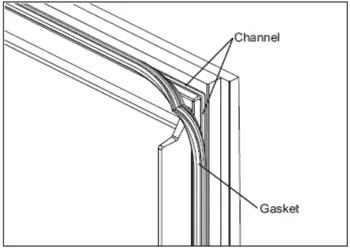
Image from Sub-Zero
Sub-Zero refrigerators depend on airtight door seals to maintain stable internal temperatures. Even small seal gaps allow warm air to enter, increasing compressor run time and disrupting internal airflow patterns.
If the Sub-Zero door isn't sealing, cooling efficiency drops and temperature consistency becomes difficult to maintain.
Potential symptoms may include:
- Moisture or condensation around door edges
- Warm spots on shelves
- Inconsistent temperatures between compartments
Dirty condenser coils limiting heat release
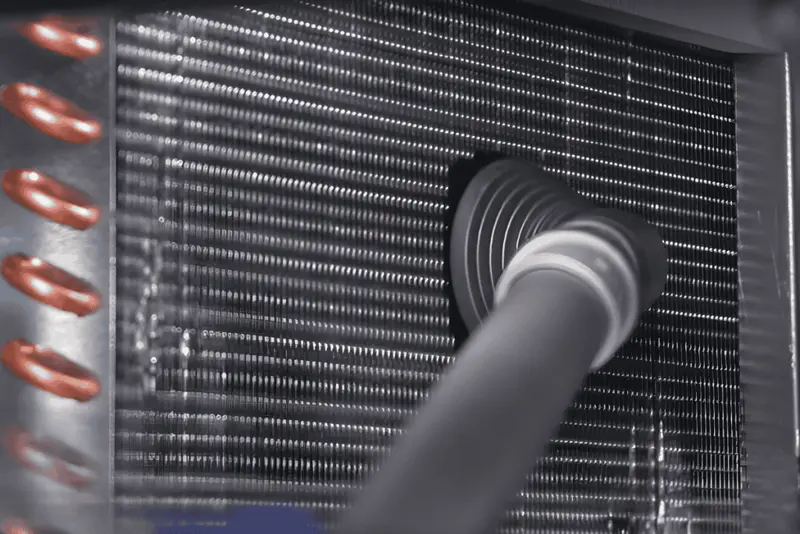
Image from Sub-Zero
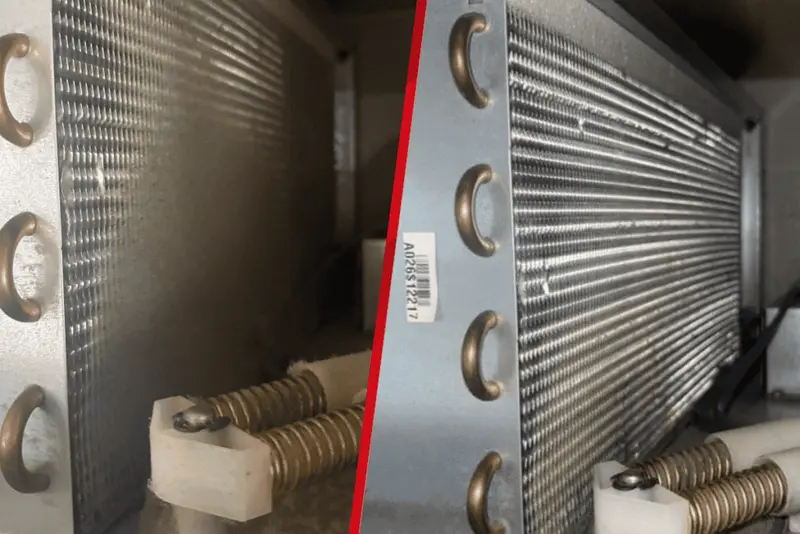
Condenser coils release heat absorbed from inside the refrigerator. Over time, dust and debris buildup restrict heat transfer, forcing the compressor to work harder and reducing cooling efficiency.
Common warning signs include:
- Longer-than-normal compressor run times
- Interior temperatures slowly rising
- Increased warmth or noise near the unit
Sub-Zero recommends routine condenser cleaning. If cooling problems persist after proper cleaning, professional evaluation is often needed to prevent additional component strain.
Ice maker and internal airflow interference
Ice makers operate as separate assemblies, but they share freezer airflow pathways. When a Sub-Zero ice maker is broken, associated ice buildup or airflow obstruction can disrupt freezer circulation and indirectly affect refrigerator temperatures.
Professional evaluation helps determine whether ice buildup or airflow blockage is contributing to the cooling imbalance.
Evaporator fan motor problems
The evaporator fan circulates cold air throughout both the refrigerator and freezer compartments. When this fan begins to fail, cold air distribution becomes uneven.
Homeowners often notice:
- Freezer temperatures remaining stable while fresh food warms
- Weak airflow from interior vents
- Uneven cooling across shelves
A failing evaporator fan is a common mechanical cause of a Sub-Zero refrigerator not cooling properly and typically requires professional replacement.
Condenser fan motor failure
The condenser fan moves heat away from the compressor and condenser coils. If this fan slows or stops, heat accumulates rapidly and overall cooling capacity declines.
This issue may present as:
- Warm exterior cabinet surfaces
- Compressor running more frequently or for longer periods
- Progressive loss of cooling performance
Addressing condenser fan issues promptly helps prevent secondary compressor damage.
Temperature sensor or thermostat inaccuracies
Sub-Zero refrigerators rely on internal temperature sensors to regulate cooling cycles. When a sensor sends inaccurate readings, the system may undercool or overcool.
Signs of sensor-related issues include:
- Temperature fluctuations without setting changes
- Cooling cycles starting or stopping unexpectedly
- Food spoiling sooner than expected
Because sensor problems can mimic more serious failures, professional testing is required for accurate diagnosis.
Electronic control board or communication failures
Control boards manage communication between sensors, fans, and compressors. When control or communication errors occur, the refrigerator may appear operational but fail to cool properly.
This can result in a Sub-Zero refrigerator not cooling even though displays and controls seem normal. Due to system complexity, professional diagnostics are necessary.
Sealed system or refrigerant-related concerns
The sealed system contains refrigerant that absorbs and releases heat during the cooling process. If internal pressures are incorrect or sealed components fail, cooling capacity drops significantly.
Sealed system issues often involve:
- Gradual but continuous loss of cooling
- Extended compressor operation
- Inability to reach set temperatures
Sealed system failures are among the most serious and expensive causes of a Sub-Zero refrigerator not cooling and must always be handled by trained professionals.
Protecting long-term performance
A Sub-Zero refrigerator not cooling indicates that one or more internal systems require attention. While early symptoms may appear minor, delaying service can allow manageable issues to escalate into major repairs.
Scheduling Refrigerator Repair in Miami ensures your Sub-Zero unit is evaluated by professionals familiar with its advanced design. Addressing airflow, sensor, and mechanical concerns early helps restore proper cooling, protect your investment, and extend the life of your refrigerator.