

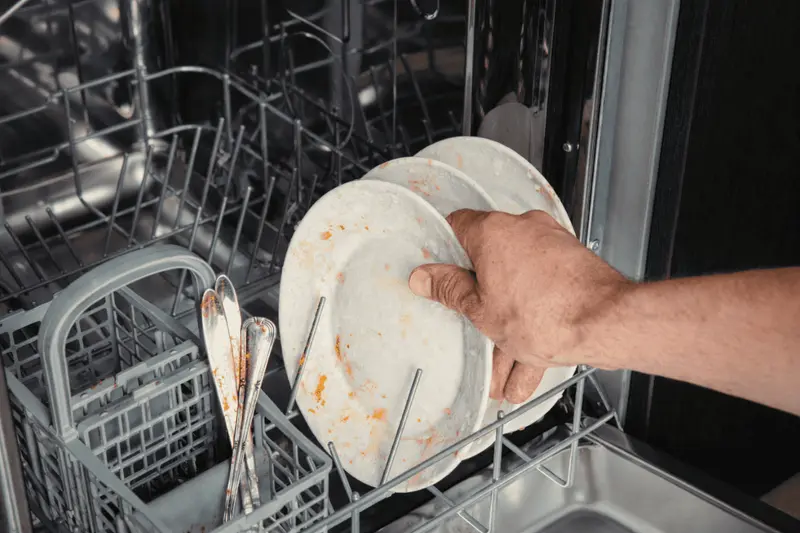
Electrolux Dishwasher Not Drying Dishes Properly
If you are dealing with an Electrolux dishwasher not drying the way it should, the problem can be frustrating and fairly common. At the end of the cycle, dishes may still feel damp, glasses may have water spots, and plastic items may hold moisture. Sometimes the cause is simple. Other times, the issue points to a part or system that needs professional service.
Drying performance depends on several factors working together, including rinse aid, water temperature, loading, airflow, and cycle selection. When one of those things is off, drying results can drop quickly.
Common Reasons for an Electrolux Dishwasher Not Drying
When an Electrolux dishwasher is not drying well, the issue is usually tied to a few common causes. Some are related to normal use, while others suggest a deeper mechanical problem.
The water entering the dishwasher is not hot enough
Dishwashers dry better when the wash water reaches the right temperature. Hot water helps warm the dishes, which improves evaporation during the drying stage. If the incoming water is too cool, dishes may stay damp at the end of the cycle.
This problem may begin at the sink rather than inside the dishwasher. If hot water takes a long time to arrive at the faucet, the dishwasher may start the cycle with lukewarm water.
Water temperature affects both cleaning and drying more than many homeowners expect.
- Slow hot water at the sink can affect dishwasher performance.
- Cool water can leave dishes wetter than normal.
- Repeated damp loads may point to a heating-related issue.
- If the problem continues, trusted Miami dishwasher repair professionals can inspect the dishwasher safely.
Loading patterns are trapping water
Even a working dishwasher can leave dishes wet if items are loaded in a way that traps moisture. Bowls, lids, cups, and plastic containers can hold water when they are tilted the wrong way or packed too tightly together.
Plastic items are especially likely to stay wet because plastic does not retain heat the way glass, ceramic, and metal do. A few damp plastic items may be normal, but a fully wet load usually points to something more.
Small loading adjustments can sometimes improve drying results right away.
- Avoid nesting bowls and stacking items too closely.
- Angle cups and containers so water can run off.
- Keep large items from blocking airflow inside the tub.
- If careful loading does not help, the cause may be more than a loading issue.
Rinse aid is low or not dispensing properly
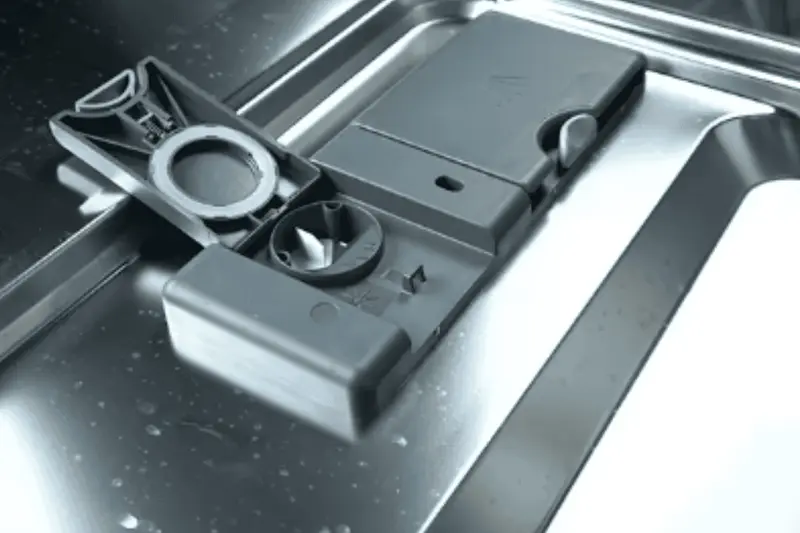
Rinse aid helps water slide off dishes instead of sitting on the surface. Without it, glasses, plates, and especially plastic containers are more likely to come out wet.
Start with the simplest possibility before assuming a larger repair is needed.
- Check whether the rinse aid reservoir is empty.
- Look for residue or buildup around the dispenser.
- Notice whether glassware is coming out spotted or covered in droplets.
- If the dispenser is not releasing rinse aid during cycles, service may be needed.
Cycle settings may be reducing drying performance
Some cycles use less heat to save energy. Short cycles, eco cycles, and lower-temperature settings may leave more moisture behind. On some models, that alone can make it seem like there is an Electrolux dishwasher not drying problem when the real cause is the selected cycle.
Comparing results between cycle options can help narrow down the cause.
- Eco or short cycles may produce less drying heat.
- Heated dry options may improve results.
- If every setting leaves dishes wet, a failing part becomes more likely.
- Consistent poor results across all cycles should be checked professionally.
A heating-related issue may be reducing drying
If the dishwasher is not generating enough heat during the final stage of the cycle, dishes may come out damp and cooler than expected. Heating-related problems often become more noticeable over time. At first, the issue may seem occasional. Later, nearly every load may come out wet.
When the heat drops off, drying performance usually declines across the whole load.
- Dishes may feel cool at the end of the cycle.
- Moisture may remain on glassware, plates, and bowls, not just plastics.
- The problem may continue no matter how you load the dishwasher.
- Electrical components should always be diagnosed by a professional.
Internal control issues may be affecting the drying phase
Dishwashers rely on multiple internal systems to manage drying. Even if nothing looks wrong from the outside, a control or sensor issue may keep the drying portion of the cycle from working correctly. That can make an Electrolux dishwasher not drying issue harder to identify without proper testing.
Control-related issues can be subtle at first and more obvious over time.
- The dishwasher may run a full cycle but still leave dishes damp.
- Drying performance may vary from load to load.
- Cycle timing or overall results may seem slightly off.
- Internal electrical issues are best left to trained technicians.
Vent or fan issues may be keeping moisture inside
Some Electrolux models use a vent or fan-assisted drying system to move humid air out of the tub. If airflow is restricted, moisture can stay trapped inside and leave dishes wetter than normal.
When humid air cannot escape well, dishes may stay damp longer.
- The interior may still look very steamy at the end of the cycle.
- Dishes may stay wet even when cleaning results seem normal.
- Condensation may linger on the tub walls.
- A technician can determine whether the vent or fan system is working properly.
An Electrolux dishwasher not drying can sometimes be improved with rinse aid, better loading, or a different cycle. When those changes do not help, professional service is usually the best next step. It is also worth paying attention to other dishwasher symptoms. For example, if your dishwasher isn't draining, poor overall performance may be tied to more than one issue.