

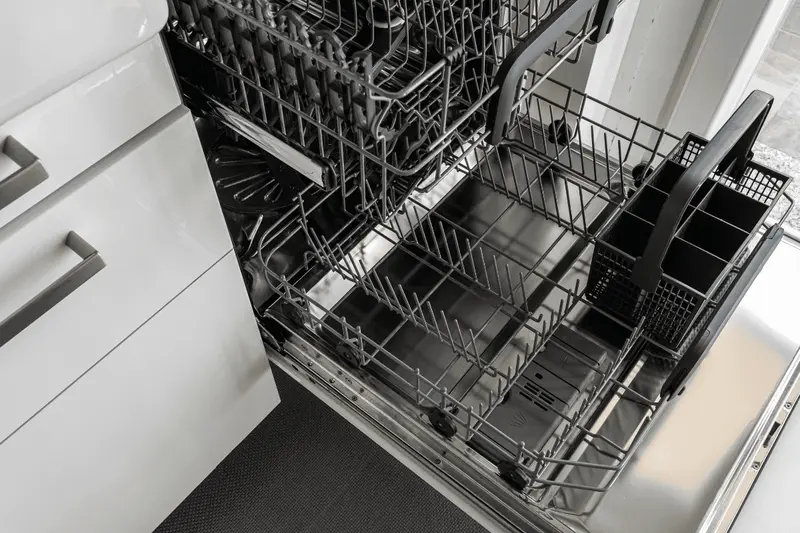
Dishwasher Not Draining: Common Causes and Fixes
Finding standing water at the bottom of your dishwasher after a cycle can be frustrating. If you are dealing with a dishwasher not draining, you are not alone. This is one of the most common appliance problems homeowners face, and in many cases, it can be fixed without replacing the entire unit. The key is understanding how the drain system works and knowing what to check first.
In this guide, you will learn the most common causes, practical troubleshooting steps, and when it is time to call professional dishwasher repair Miami experts for help.
How the Dishwasher Drain System Works
During the wash cycle, your dishwasher fills with water, sprays it through the spray arms, and then pumps the dirty water out through a drain system. The drain pump pushes water through a hose that connects to either your garbage disposal or directly to your sink drain line. Many systems also include a high loop or air gap to prevent dirty water from flowing back into the appliance.
When any part of this system becomes clogged, blocked, or damaged, you may notice your dishwasher not draining properly. Water may remain pooled at the bottom of the tub, dishes may stay dirty, or unpleasant odors may develop.
Common Causes of a Dishwasher Not Draining
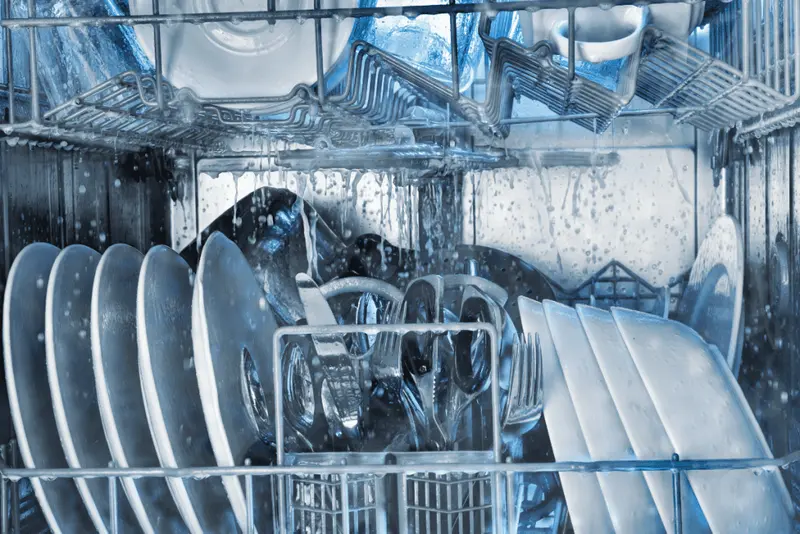
There are several reasons why a dishwasher not draining issue may occur. Some are simple maintenance problems, while others involve mechanical failure.
Start by checking these common causes.
- Clogged or dirty filter
- Food debris is blocking the sump area
- Kinked or clogged drain hose
- Blocked air gap
- Garbage disposal connection issues
- Faulty drain pump
- Electrical or control board problems
In many homes, especially in busy kitchens, food particles and grease build up over time. Without regular cleaning, this buildup can easily result in a dishwasher not draining the way it should.
Step-by-Step Troubleshooting Guide
Before starting any inspection, turn off the dishwasher and disconnect power at the breaker. Safety always comes first.
1. Check for a Simple Reset
Sometimes the problem is temporary. Try pressing the Cancel or Drain button to force the unit into a drain cycle. Listen for the sound of the pump running. If the dishwasher not draining problem happens only once, it may have been an interrupted cycle.
2. Inspect and Clean the Filter
The filter is usually located at the bottom of the tub. Remove it by twisting or lifting it out, depending on your model. Rinse it under warm water and gently scrub away grease or food debris.
While the filter is removed, also inspect these areas.
- The sump opening beneath the filter
- Any visible debris or small objects
- Broken glass or labels that may block water flow
A clogged filter is one of the most frequent causes of a dishwasher not draining, and cleaning it often solves the problem immediately.
3. Examine the Garbage Disposal Connection
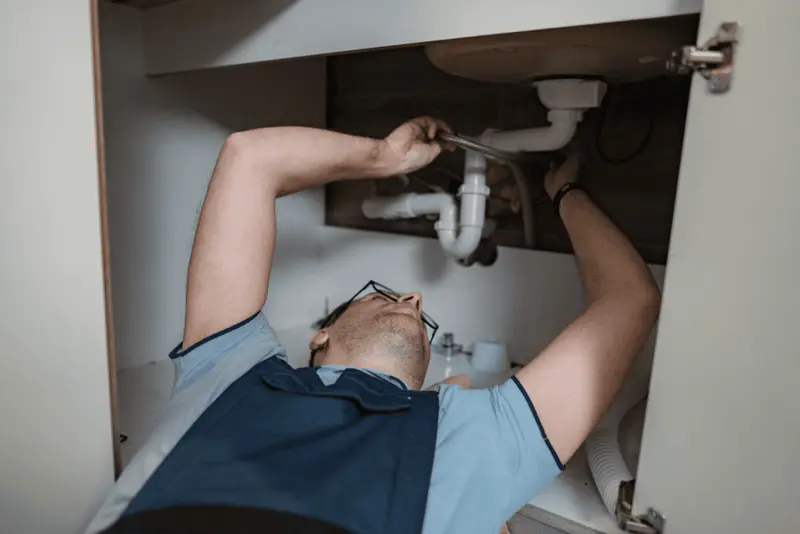
If your dishwasher drains through a garbage disposal, make sure the disposal is clear. Run water and briefly turn on the disposal to check for blockages.
If a new disposal was recently installed and your dishwasher not draining issue started afterward, the installer may have forgotten to remove the knockout plug inside the disposal inlet. This small plastic plug must be removed for proper drainage.
4. Check the Air Gap or High Loop
An air gap is a small fixture usually mounted on the sink. If it becomes clogged with debris, water cannot drain properly. Remove the cap and clean it if necessary.
If your system uses a high loop instead of an air gap, make sure the drain hose is secured high under the countertop before connecting to the sink drain. Improper hose positioning can cause backflow, which may look like a dishwasher not draining.
5. Listen to the Drain Pump
During the drain cycle, you should hear a steady humming sound as the pump pushes water out. If you hear a humming noise but no water movement, the pump may be jammed or failing. If there is no sound at all, there may be an electrical issue.
When a dishwasher not draining persists after clearing clogs, the drain pump becomes a likely cause. Replacing a pump typically requires professional tools and experience.
Signs You Need Professional Help
While many drainage issues are caused by clogs, some situations require expert diagnosis. Attempting complex repairs without proper training can cause further damage.
Call a professional if you notice any of the following.
- Water is leaking from underneath the unit
- Burning smells or electrical issues
- Repeated error codes
- The drain pump is not running at all
- Standing water that returns after repeated cleaning
If your dishwasher not draining problem continues after basic troubleshooting, professional service can save time and prevent water damage. For reliable service in South Florida, consider contacting dishwasher repair Miami experts who can quickly identify and resolve the issue.
How to Prevent Drain Problems in the Future
Preventative maintenance reduces the chances of facing another dishwasher not draining situation. Regular cleaning and proper loading habits make a significant difference.
Follow these maintenance tips to keep your dishwasher running smoothly.
- Scrape large food particles off dishes before loading
- Clean the filter every few weeks
- Run hot water in the sink before starting a cycle
- Use the recommended amount of detergent
By staying proactive, you can avoid most cases of a dishwasher not draining and extend the life of your appliance.
Dealing with a dishwasher not draining can feel overwhelming at first, but most problems stem from clogs or simple mechanical issues. Start with the filter, check the drain path, and inspect hose connections before assuming the worst. If the issue persists or involves electrical components, do not hesitate to seek professional help. Prompt action prevents further damage and keeps your kitchen running efficiently.