

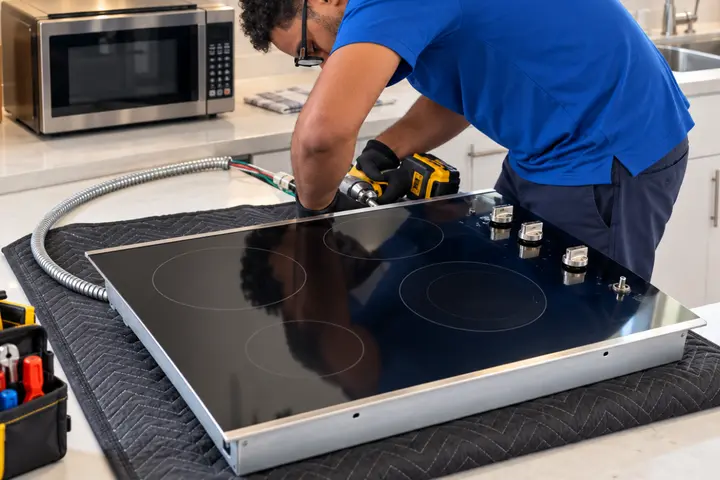
Cooktop Burner Not Heating? Here’s What Could Be Wrong
A cooktop burner that won’t heat (or won’t adjust to the right temperature) may have a faulty element, switch, or another electrical problem. Proper testing matters because replacing the most obvious part may not fix the entire problem.
The repair video below illustrates why diagnosis comes first. This article focuses on electric radiant cooktops; electronic controls vary by model, and induction cooktops should not be diagnosed as though they use the same radiant-element circuit.
If the player does not load, watch the cooktop repair Short on YouTube.
Why Is My Cooktop Burner Not Heating?
An electric cooktop burner depends on several components working together. The heating element needs a proper power supply, sound wiring connections, and a working switch or model-dependent electronic control to deliver and regulate heat.
Common causes of a burner that does not heat include:
- A failed burner element
- A faulty burner switch
- Loose or damaged wiring
- Power supply problems
- Failed electronic controls
Symptoms can narrow down the possibilities, but electrical testing by a technician may still be needed to identify the fault.
1. The Burner Element May Have Failed
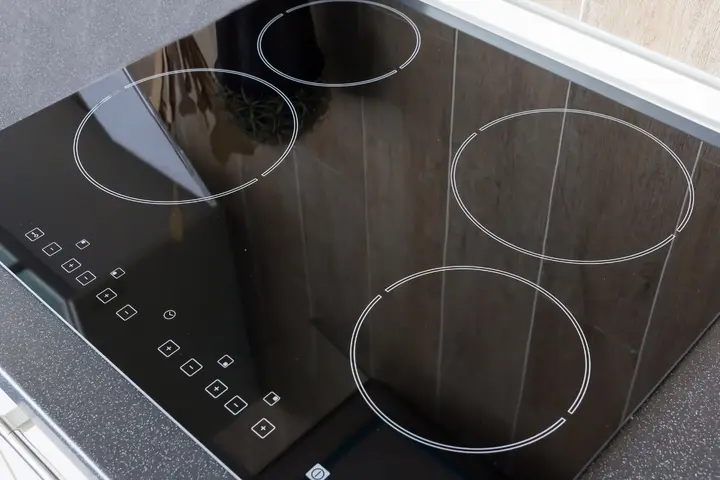
On an electric radiant cooktop, the burner element produces the heat. A failing element can affect the cooking zone’s performance.
A failing element can cause:
- No heat at all
- Weak heat
- Uneven heating
- Intermittent heating
Visible damage is not always present. A burner can look normal and still be defective, so appearance alone is not enough to rule out an element problem. A qualified technician can test the element electrically to determine whether it has failed.
2. The Burner Switch May Be the Problem
On a traditional infinite-switch radiant cooktop, the burner switch controls the heating element by cycling power on and off to maintain the selected heat setting. A faulty switch can prevent heating or make the burner behave differently from the selected setting.
A bad switch can cause:
- The burner not to heat
- The burner to stay on high
- Heat that does not match the selected setting
- The burner to cut in and out unexpectedly
In the featured repair, both the burner and switch had failed, showing why proper testing matters before replacing parts.
What If the Burner Heats, But Won’t Adjust Properly?
A burner that heats but does not respond to its setting often points toward the control side of the circuit. The burner switch or electronic control should be checked if the burner:
- Stays on high
- Does not respond when turned down
- Produces inconsistent temperatures
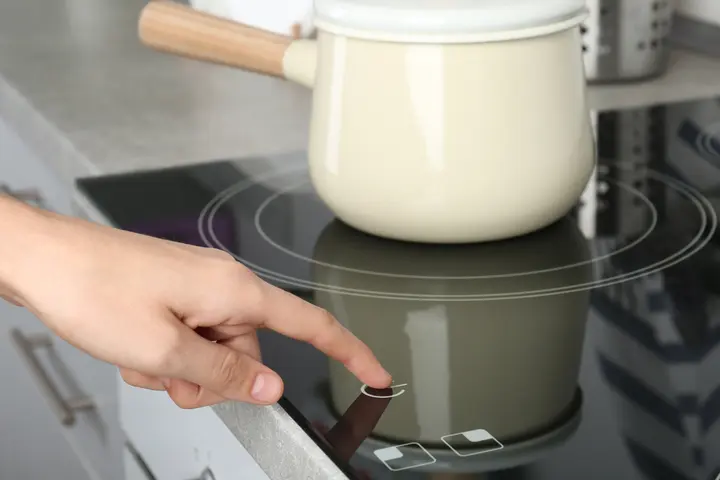
In the featured repair, the problem involved both heating and temperature control. Depending on the model, heat regulation may involve a burner switch or electronic controls; a touch panel does not mean every cooktop uses the same internal parts or diagnostic approach.
Can Both the Burner and Switch Fail at the Same Time?
Yes. A burner problem does not automatically mean the element is the only failed component. Replacing one part without testing the rest of the circuit can leave the cooktop with the same heating problem or a different problem with temperature control.
In the featured repair, the technician tested both components and determined that both the burner and switch needed replacement. Testing the complete circuit helps identify what actually needs repair instead of relying on the most obvious symptom.
3. Check for Loose or Damaged Wiring
The wiring beneath an electric cooktop is exposed to repeated heating and cooling. Over time, connections can loosen, overheat, or become damaged, interrupting the power path to a burner.
Possible signs of a wiring problem include:
- Intermittent burner operation
- Scorching or discoloration
- Burning smells
- A burner that suddenly stops working
Stop using the cooktop if there is sparking, a burning odor, or visible electrical damage. Do not remove the glass or open panels to look for loose connections. Internal wiring inspection and electrical testing belong to a qualified technician.
4. Make Sure the Cooktop Is Getting Proper Power
Electric cooktops typically require a high-voltage power supply. A power issue can affect heating even when the cooktop appears to turn on, so lights or a responsive display do not necessarily rule out a supply problem.
Without opening the appliance or touching electrical components, homeowners can check:
- Whether the circuit breaker has tripped
- Whether other burners are working
- Whether the entire cooktop has lost power
If the breaker trips repeatedly, do not continue resetting it. Leave the cooktop out of use and arrange professional evaluation instead of repeatedly trying to restore power.
Can a Dirty Glass Cooktop Stop a Burner From Heating?
Normal surface buildup usually will not cause an electric heating element to stop working completely. A burner that remains cold needs troubleshooting rather than an assumption that cleaning will repair it.
Keeping the glass clean still helps prevent baked-on residue and surface damage. Avoid harsh cleaners and improper scraping methods. For proper cleaning techniques, see how to clean glass cooktop.
What Should You Do When a Cooktop Burner Won’t Heat?
Start with simple, external checks only, and do not operate a burner that already shows signs of unsafe behavior:
- Make sure the cooktop has power.
- Check whether other burners work.
- If the burner still produces heat and there are no signs of overheating, sparking, burning odors, or electrical damage, note whether it responds normally when the heat setting is changed.
- Look for obvious signs of damage without removing panels or accessing internal components.
When to Call for Cooktop Repair
Schedule professional service when:
- A burner will not heat.
- The burner only works intermittently.
- It stays on high.
- The temperature will not adjust properly.
- Multiple burners are affected.
- There is sparking, scorching, or a burning smell.
A technician can test the burner, switch, wiring, and controls instead of guessing which part has failed. For professional cooktop repair Miami, contact AG Appliance Service.
Conclusion
A cooktop burner not heating can be caused by the element, burner switch, wiring, power supply, or controls. Professional diagnosis identifies the full problem so the repair restores both heating and temperature control.
Get Your Cooktop Diagnosed
AG Appliance Service can identify the heating or control problem and determine which components need repair.
Schedule Service