

Best Outdoor Refrigerators: Why the Right Refrigerator Matters for Outdoor Spaces
Refrigerators are showing up in more garages, outdoor kitchens, covered patios, and pool areas than ever before. The convenience is real: cold drinks within reach, extra food storage close to where you cook, a dedicated spot for beverages away from the main kitchen. But as that trend has grown, so have the repair calls we receive from homeowners who placed a standard indoor refrigerator somewhere it was never designed to go.
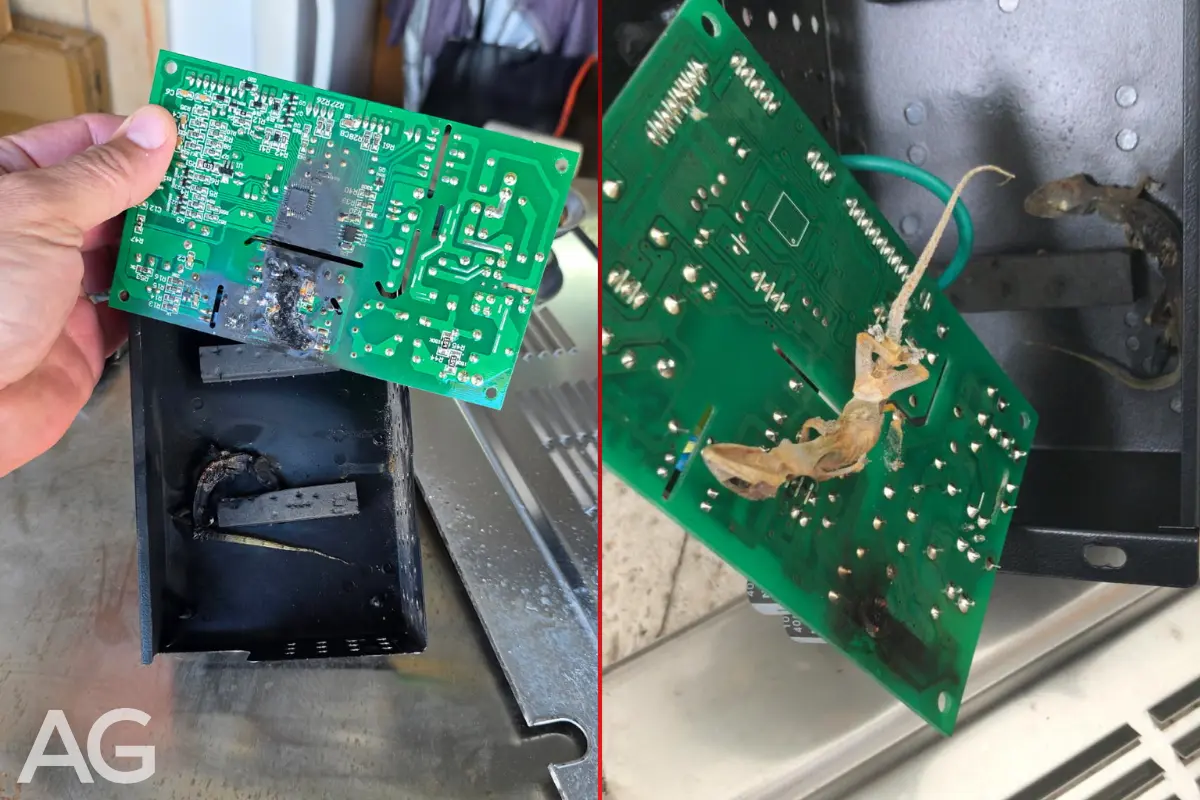
The photos at the top of this post show what can happen. Both units were used in non-climate-controlled spaces: one developed a burned control board, the other shows pest intrusion into the electrical compartment. Choosing the best outdoor refrigerators for the intended environment would have substantially reduced the risk in both cases.
Best Outdoor Refrigerators for Garages and Outdoor Kitchens
Choosing an outdoor or garage refrigerator involves more than capacity and finish. Construction, environmental rating, operating-temperature range, and placement all determine how long a unit lasts. Here are the brands worth starting with.
1. Outdoor Refrigerator Brands Worth Considering
Several manufacturers produce refrigerators designed specifically for outdoor kitchens, covered patios, and garages. Not every model from these brands is outdoor-rated, so always verify the specific unit is approved for your intended installation location before purchasing.
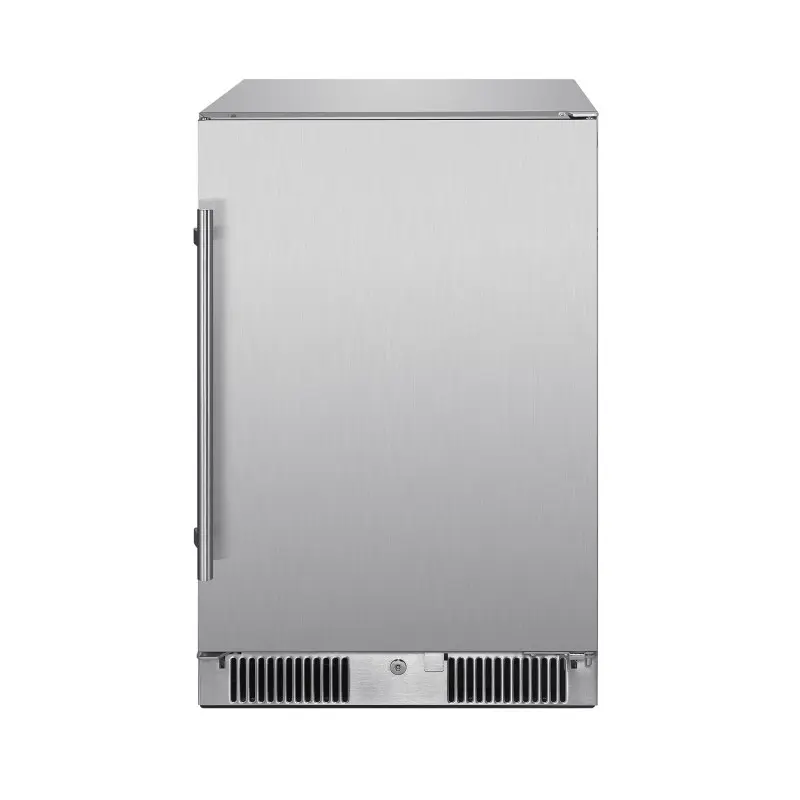
Blaze
- Widely recognized name in outdoor kitchen appliances
- Designed for covered outdoor installations and built-in outdoor kitchens
- View Blaze outdoor refrigeration
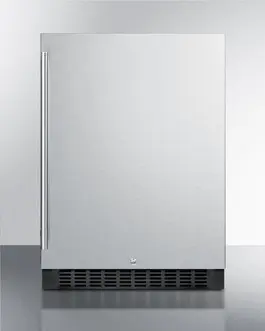
Summit Appliance
- Wide range of outdoor-rated refrigerators, including undercounter models
- Units designed for wider temperature environments
- View Summit outdoor refrigerators
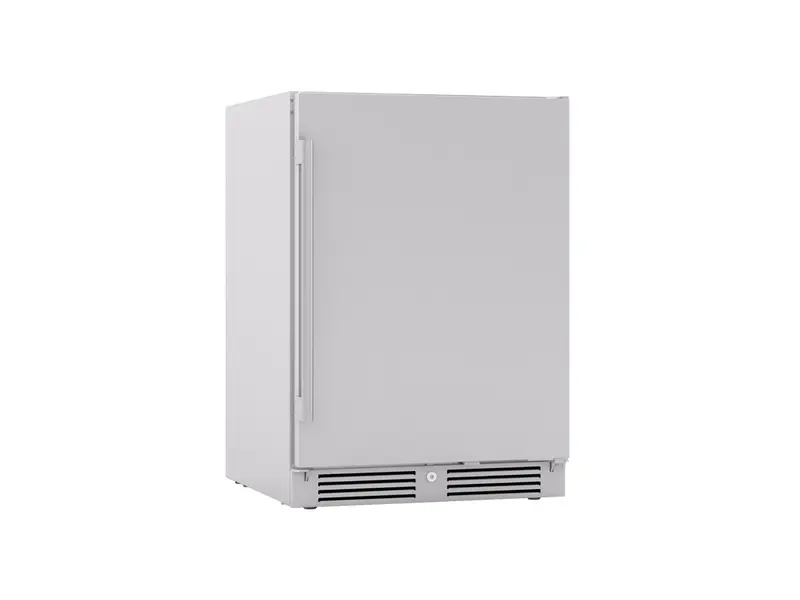
Zephyr
- Known for beverage and wine cooling
- Outdoor-rated Presrv units for covered outdoor installations
- View Zephyr outdoor models
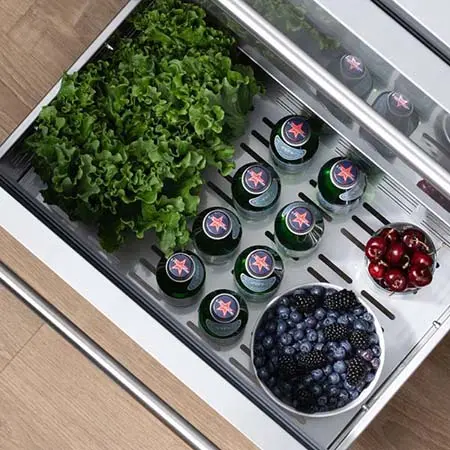
Marvel
- Specialty refrigeration with outdoor-rated undercounter units
- Well suited to built-in outdoor kitchen applications
- View Marvel outdoor refrigeration
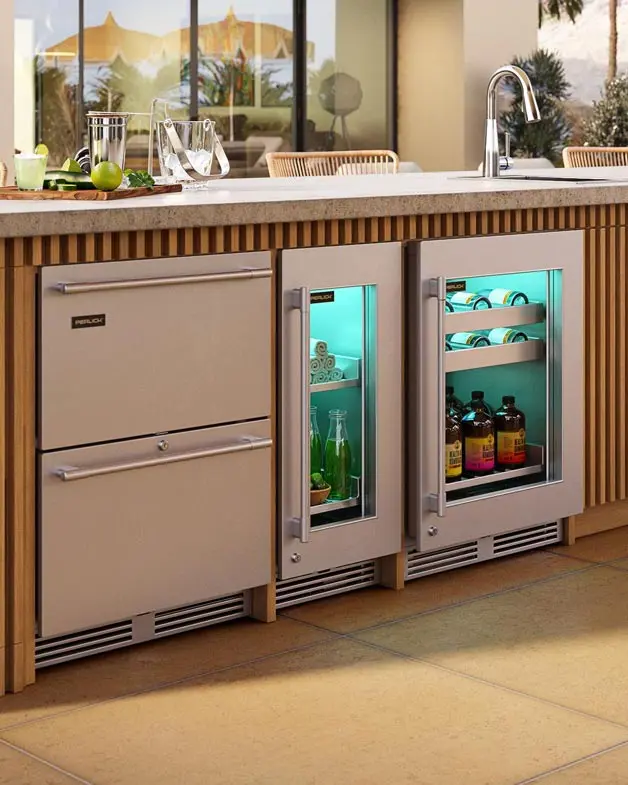
Perlick
- Commercial-grade construction with residential outdoor models
- Built for durability in exposed environments
- View Perlick outdoor refrigerators
Viking and Artisan also produce outdoor appliances through their premium outdoor kitchen lines. In all cases, verify the specific model's outdoor rating, installation requirements, and ventilation specifications before purchasing.
2. Why Standard Indoor Refrigerators Can Be a Problem Outdoors
Refrigerators built for climate-controlled kitchens assume stable temperatures, limited humidity, and protection from the elements. Garages and outdoor spaces break all three assumptions. They expose appliances to:
- Seasonal temperature swings beyond the approved operating range
- Humidity and moisture the cabinet was not designed to shed
- Airborne dirt and debris that clog coils faster than in a kitchen
- Pest intrusion through gaps around wiring, vents, and access panels, as the photos here illustrate
Once inside, pests can damage wiring insulation, contaminate components, and cause electrical failures. The most effective protection is choosing a unit the manufacturer has specifically approved for that environment.
3. How Outdoor-Ready Construction Helps Prevent Pest Problems
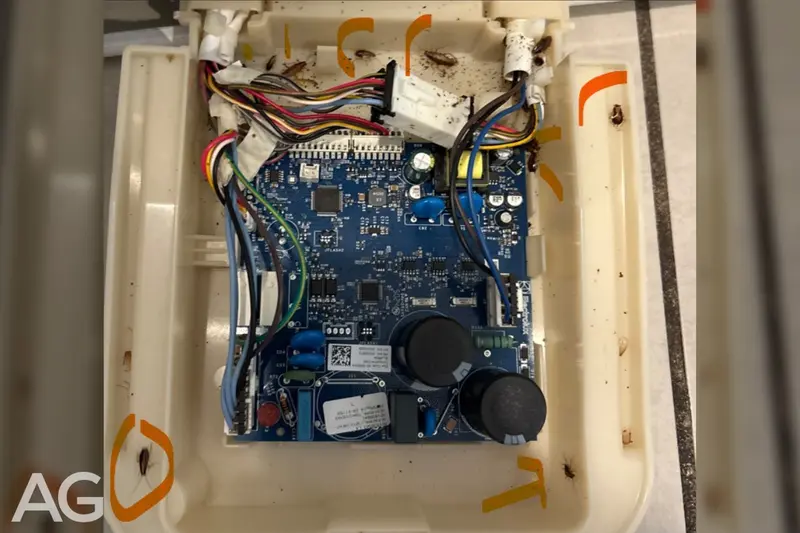
Pest intrusion into the control board compartment of a refrigerator used in a garage. This is a known risk with units not rated for that environment.
Outdoor-rated refrigerators are designed to handle conditions standard indoor units are not: wider temperature ranges, moisture exposure, and installation in covered or outdoor locations. Two things to keep in mind:
- An outdoor rating is not a pest-proof guarantee. It addresses environmental exposure, not pest resistance. Follow the manufacturer's installation requirements and periodically check around the appliance for signs of pests.
- "Outdoor-rated" and "garage-ready" are not interchangeable. A refrigerator approved for garage use may not be approved for an outdoor kitchen, and vice versa. Check the manufacturer's listed installation locations, not just the marketing label.
A refrigerator placed exactly where its manufacturer approved it is operating within its design envelope. One placed anywhere else is not, and that matters for both reliability and warranty coverage.
4. Why Garages Need the Right Refrigerator Too
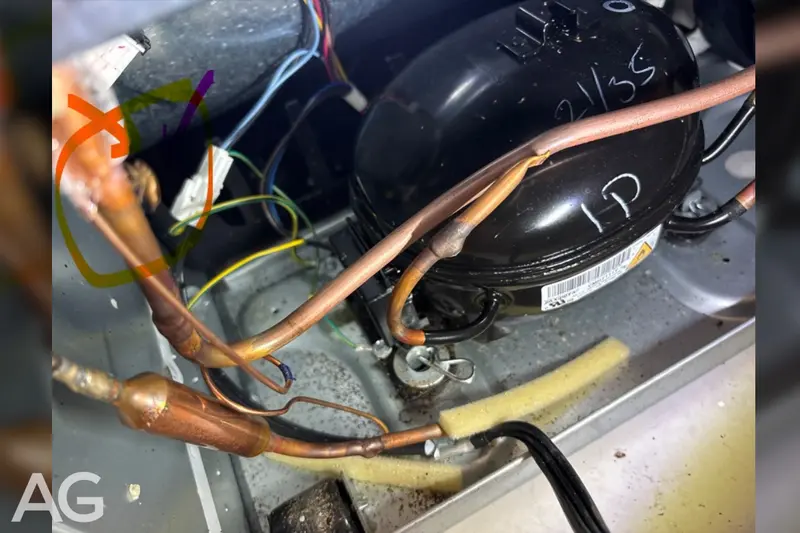
Compressor and refrigerant line damage on a unit used in a garage without the correct environmental rating.
Garages occupy a middle ground homeowners often underestimate: not truly indoors like a kitchen, not fully exposed like a patio. Significant temperature swings and humidity, none of it regulated, and a standard refrigerator may not be built for it.
Running a standard refrigerator outside its approved operating-temperature range can cause:
- Improper cycling
- Inconsistent internal temperatures
- Excessive compressor operation
- Additional stress on components
Garage-ready refrigerators, by contrast, are tested and rated for wider ambient-temperature ranges. For example, GE describes its garage-ready units as tested from 38°F to 110°F, a range no standard kitchen refrigerator is designed to handle. Before purchasing any unit for garage use, confirm the approved ambient operating range covers your garage year-round, not just in mild weather.
5. Maintenance Still Matters With an Outdoor-Ready Refrigerator
Choosing a correctly rated refrigerator is the foundation, but it does not replace routine maintenance. Keep up with these basics:
- Keep exterior areas clean and free of debris around the unit
- Watch for pest activity near the appliance
- Follow the coil-cleaning schedule. Outdoor environments introduce more dust, pollen, and debris than a kitchen, so coils may need attention more often. Our guide on how to clean fridge coils covers why it matters and what it involves.
6. When Pest Damage or Refrigerator Problems Require Professional Service
Stop using the unit and have it professionally evaluated if you notice any of the following:
- Visible pests in or around the refrigerator
- Unusual sounds or operation
- Cooling problems
- Suspected internal contamination or damaged wiring
Do not open panels or inspect internal electrical or refrigeration components yourself. A technician can determine whether the refrigerator has sustained damage, whether it is repairable, and whether repair is cost-effective relative to replacement. Pest damage to wiring and control boards can be extensive, and sealed-system repairs can be substantial if the refrigeration circuit has been compromised. Professional diagnosis is the only reliable way to know what you are dealing with before making a repair-or-replace decision.
If you already have a refrigerator in a garage or outdoor space that is showing signs of trouble, including cooling problems, unusual noises, suspected pest damage, or anything that does not seem normal, our team handles refrigerator repair in Miami and can evaluate the unit and give you an honest assessment of your options.